The Wind Is in the Mix: How Margate's Seafront Shapes Festival Sound
Margate does not do neutral sound. A festival stage on the seafront is never just a PA and a crowd; it is a conversation with wind, tide, chalk, brick and the odd Victorian ceiling. Ask anyone who has mixed a show at a harbour-side site or stood at the back of a packed room near the seafront and they will tell you the town leaves its mark on the mix. For 2026 festival-goers, that is not a problem to endure. It is a set of local conditions worth learning.
The seafront is a filter, not a backdrop
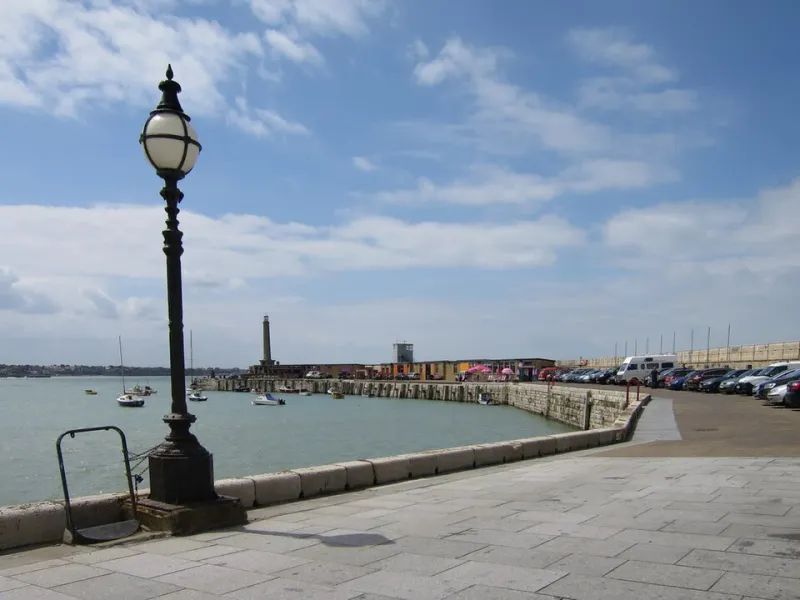
Open-air stages in Margate have a habit of sounding different from one minute to the next. A gentle offshore breeze can carry a vocal cleanly across the crowd; a gust from the wrong direction can turn a carefully balanced mix into a battle between snare drum and seagull. Local engineers tend to talk about the seafront as a filter rather than a backdrop. It adds air, movement and a little unpredictability.
The practical result is that the best listening spot is rarely the most obvious one. Standing dead centre at the barrier may give you volume, but it does not always give you clarity. Moving a few metres to one side, or back towards a wall or raised promenade, can tighten the low end and let the mid-range breathe. If a set feels muddy, try stepping out of the direct line of the PA before deciding the sound engineer has lost the plot.
Harbour walls, wet sand and low-end bass
Bass is where Margate's geography really makes itself known. Harbour walls and hard seafront surfaces reflect low frequencies, while wet sand and open air soak up some of the rest. On a damp evening, electronic and dub-heavy sets can feel surprisingly warm near the back of a site, then oddly thin when you move closer to the sea. Sound engineers often compensate by keeping subs controlled rather than cranked, especially on stages near walls.
For listeners, that means the sweet spot for bass-led acts is often a little off-axis: not directly in front of the stacks, but a short walk to the side where the reflections meet the direct sound. If the bass feels overwhelming but the vocals have disappeared, you are probably in a pressure zone. If it feels lightweight but clear, you may have found the cleaner side of the harbour wall.
Chalk, brick and the Victorian room
Indoor and semi-enclosed venues bring a different character again. Margate's older buildings, with their high ceilings, brickwork and odd corners, can flatter acoustic acts and brass ensembles in ways that a field never will. A folk trio in a small Victorian room can sound intimate and immediate; the same trio on a windy promenade stage may need more PA and a tighter arrangement to cut through.
Chalk and brick are not just architectural detail. They shape how sound bounces, how much reverb hangs in the air and how quickly a room feels loud. Promoters who programme thoughtfully tend to match the act to the space rather than forcing every band into the same festival template. A spoken-word set in a low-ceilinged room can hold a crowd far better than the same artist shouting into a seafront breeze.
Which stage suits which act
Folk and acoustic music usually benefit from a stage that faces inland or sits against a solid back wall. That gives the sound something to push against and keeps the wind from stealing consonants. Listeners should aim for the middle distance, roughly eight to twelve metres back, where the direct sound and the room or site reflections meet.
Electronic and DJ sets work best when the low end is controlled and the crowd is not packed against a reflective wall. If you want punch without boom, stand slightly to the side of the main stacks and avoid the narrow corridor directly in front of the subs. Brass bands, meanwhile, are built for open air. Their natural projection means you can stand further back and still get the full picture, especially if the wind is carrying towards you rather than across the stage.
Practical tips for 2026
- Walk the site before the headline set. A two-minute lap will tell you where the bass is boomy and where vocals are clearest.
- For folk and spoken word, favour rooms and stages with a solid back wall. For brass, let the open air do the work.
- If the wind picks up, move downwind of the stage rather than fighting the gust at the front.
- Do not judge the mix from one spot. A few steps sideways can change everything.
- Near harbour walls, expect more low-end reflections. Near wet sand and open promenade, expect a cleaner but leaner sound.
- Earplugs are not a sign of defeat. They are how you hear the detail after the first hour.
The town is the instrument
The secret acoustics of Margate's festival stages are not really secret at all. They are written into the seafront, the harbour, the chalk and the Victorian rooms that make the town feel like itself. The best festival sound in 2026 will not come from pretending Margate is a neutral field somewhere off the M25. It will come from promoters, engineers and audiences working with the place as it is: windy, salty, reflective and occasionally stubborn. Stand in the right spot and the town becomes part of the band.