Little Rooms, Big Nights: Why Margate's Micro-Festivals Beat the Mega-Weekenders
Photo: small intimate music venue crowd Margate Old Town night pub gig, via d1csarkz8obe9u.cloudfront.net
Let's start with a confession. I have stood in a field, at midnight, four hundred metres from a stage, watching a screen show me a person I had paid to see in person. It was fine. It was also, on any honest reckoning, a very expensive way to watch television outdoors.
That's the trade the mega-weekender asks you to make: scale in exchange for everything else. Margate's small festivals don't ask for that trade, because they can't. They don't have the footprint. What they have instead is a town centre you can cross in fifteen minutes, a pub with a stage in the corner, and a promoter who books things because they genuinely love them rather than because a spreadsheet said so.
The case against the big tent
The arguments are well rehearsed, so I'll keep them short. Cost per act is dreadful. Queues are the dominant experience. Programming is risk-averse because the financial exposure is enormous, which is why the same twenty headline names rotate through the summer. And the whole thing is physically gruelling in a way that nobody admits until the Monday after.
None of that makes big festivals bad. It makes them a different product. If your idea of a good time is a crowd of sixty thousand and a drone show, go. But if you want to actually hear the band, and then walk two streets to a bar where the bassist is drinking, small is not a compromise. It's an upgrade.
What small actually gets you
Proximity. In a room of eighty people, the performance changes. Artists take risks when they can see faces. They tell stories. They play the song they're not sure about. You will see sets in Margate this winter that simply wouldn't survive a festival field, and they'll be the ones you remember.
Curation with a point of view. A venue takeover isn't a lineup assembled by algorithm — it's one person's taste, applied across a night. You might hate a third of it. That's fine, that's what taste does. The remaining two-thirds will be stranger and better than anything a focus group assembled.
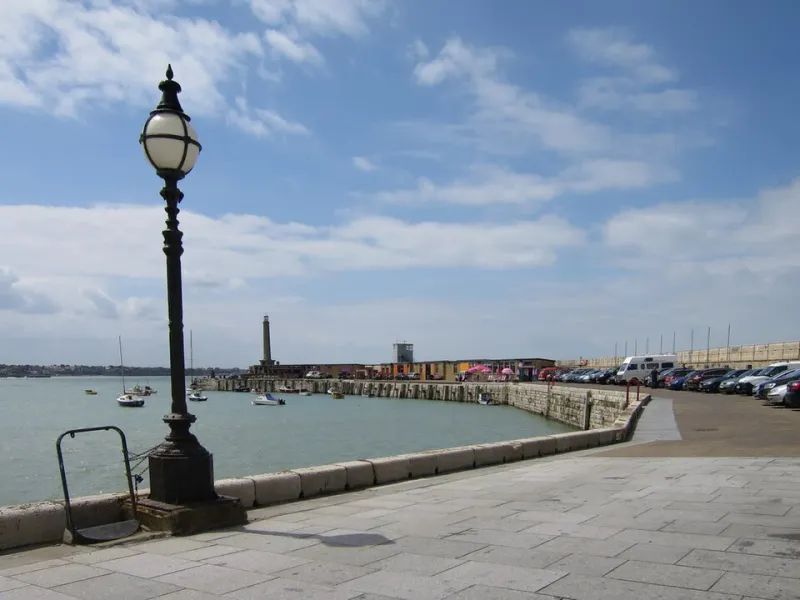
The town as a second venue. This is the bit the big events can't replicate. Between sets you walk along the Harbour Arm. You eat something cooked in a courtyard behind a shop. You sit in a gallery for twenty minutes because it's free and the rain stopped. The festival and the place are the same thing, which means there's no dead time, no shuttle bus purgatory, no vast inert zone between the car park and the arena.
Money that stays. Community-run arts nights, small promoters and independent venues keep their spend local. When you buy a ticket in Margate, a meaningful chunk of it ends up behind the bar of a business that employs people who live on your street. Compare that with a conglomerate's shareholder return.
Where to find it in 2026
I'm deliberately describing types of events rather than promising you a lineup — winter programming in this town moves fast, and listings are the only reliable source. That said, these are the formats to look out for.
Venue takeovers. One small venue, one promoter, a whole night of acts. These are the backbone of Margate's grassroots scene and they happen across the Old Town and Cliftonville year-round. Expect mixed bills — a folk act, then something loud, then a DJ.
Micro-theatre and spoken word. The town has a genuinely remarkable concentration of tiny performance spaces, some seating fewer than fifty. Comedy, new writing, poetry nights, workshopped shows on their way to Edinburgh.
Harbour and courtyard pop-ups. Weekend food and music gatherings in the yards and squares behind the main streets. Smaller in winter, warmer in spirit, and usually free or nearly free to wander into.
Gallery late openings. Exhibitions with a bar, a DJ and a crowd that isn't all there for the art. Reliably good, reliably free.
Community arts nights. Open mics, film clubs, record fairs, print fairs, choir nights. Unpolished, cheap, occasionally brilliant, and the closest thing to the actual pulse of the place.
Booking a seaside festival break without overthinking it
- Pick the weekend around the listing, not the other way round. Find something on, then book travel. Doing it backwards is how people end up in a Travelodge in Thanet staring at a phone.
- Stay central or stay in Cliftonville. Both are walkable to almost everything. You do not need a car, and honestly you don't want one on a Saturday night.
- Book the small rooms early. Anything under a hundred capacity sells out on word of mouth. Follow the venues directly on socials — that's where announcements land first.
- Leave gaps. The best thing that happens on a Margate weekend is usually the thing you didn't plan. Build in a two-hour hole on Saturday afternoon and let the town fill it.
- Budget for food, not merch. You'll spend less on tickets than a big weekend and more than you expect on lunch. That's the correct allocation.
The honest conclusion
Margate's small festivals aren't a budget substitute for the real thing. They are the real thing, at a scale where the art still has edges and the audience still has names. The mega-weekenders will keep getting bigger, because that's what capital does. The little rooms will keep filling up, because that's what people do when they want to be close to something.
Go small in 2026. Bring a friend. Talk to the person next to you. It's a better night out, and it's a better way to spend a weekend by the sea.