Twelve Margate Names Worth a Main-Stage Punt in 2026
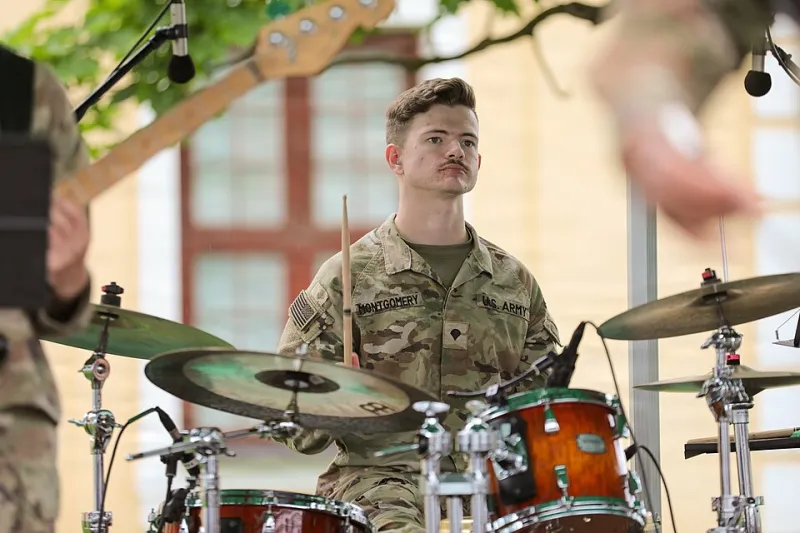
Photo: U.S. Army photo by Sgt. Aaron Kaczur, Public domain, via Wikimedia Commons
Festival line-ups often arrive looking suspiciously similar: the same touring names, the same genre boxes, the same polite nods to local talent at noon on a Sunday. Margate can do better. The town has a deep bench of musicians, DJs, poets and brass players who already understand how to hold a room, a promenade or a harbour-side crowd. What follows is an opinionated, not-at-all-official list of twelve Margate acts who could step up to a festival main stage in 2026. Some are ready now. Some need the right slot. All of them would make a bill feel more distinctly Margate.
1. Salt Marsh Choir
Sound: A loose folk collective with close harmonies, fiddle, harmonium and a knack for songs about weather and water. Ideal setting: A late-afternoon slot on a stage facing inland, where the wind does not eat the vocals. Why book: They can turn a restless festival crowd into a seated choir within two songs. Put them before a bigger headline act and watch the field settle.
2. Tidal Boom
Sound: Brass-heavy afrobeat with a punk edge and a drummer who refuses to sit still. Ideal setting: An open-air seafront stage just before sunset, when the light is doing most of the production work. Why book: They are built for movement. A main stage needs at least one act that makes people dance without being told to, and Tidal Boom do it with horns.
3. Gwen and the Shingle
Sound: Wry indie-folk with sharp lyrics, fingerpicked guitar and a habit of ending songs somewhere unexpected. Ideal setting: A small Victorian room or a covered stage with a solid back wall. Why book: Gwen's between-song chat is half the show. Give her a crowd that can hear the words and she will win them over before the chorus.
4. Harbour Light
Sound: Warm, patient electronic music built from field recordings, soft synths and low-tide bass. Ideal setting: A dusk DJ set near the harbour wall, with the subs kept sensible. Why book: Not every electronic act needs to be a peak-time barrage. Harbour Light can hold a crowd in a trance without turning the seafront into a nightclub.
5. Margate Poetry Assembly
Sound: Rotating spoken-word line-up with a live percussionist and a healthy disrespect for the polite poetry voice. Ideal setting: A mid-afternoon tent or a low-ceilinged room where the crowd is close enough to lean in. Why book: Festivals talk endlessly about local voices. This is what one actually sounds like when it is given a proper slot and a decent microphone.
6. The Dreamland Riders
Sound: Fuzzy psych-rock with long instrumental passages and a singer who sounds like they have been up all night. Ideal setting: A main stage in the early evening, ideally with a light show and a bit of fog. Why book: They bring the loose, heady energy that makes a festival feel like a festival rather than a series of showcase sets. Book them when the crowd is ready to drift.
7. Copper Kettle Brass
Sound: A proper brass band with a mischievous streak, mixing trad arrangements with pop covers and the odd film theme. Ideal setting: A Sunday afternoon on the promenade, families nearby and pints in hand. Why book: Brass cuts through sea air better than almost anything else. They are the ultimate all-ages, all-weather main-stage warm-up act.
8. Nettle and Bone
Sound: Dark folk with droning strings, close vocals and a taste for old stories. Ideal setting: A late-night stage in a brick-lined room, candles optional but welcome. Why book: They offer the kind of atmosphere that makes a festival programme feel curated rather than assembled from a spreadsheet. A strong counterpoint to the indie bands.
9. Low Tide Dub
Sound: Dub soundsystem with deep bass, echo-drenched horns and a selector who knows when to let the silence do the work. Ideal setting: A harbour-side stage after dark, with the crowd spread out rather than packed against the walls. Why book: Margate's seafront is made for bass, and Low Tide Dub know how to use it without turning the mix to mush. A main-stage slot would be a proper local statement.
10. Pigeon Steps
Sound: Bedroom pop with wonky beats, sweet melodies and lyrics about buses, jobs and wanting more. Ideal setting: An early main-stage slot on a sunny Saturday, when the crowd is arriving and the mood is generous. Why book: This is the kind of act that grows with a festival crowd. Give them a decent slot and they will leave with a few hundred new fans.
11. Chalkline
Sound: Tight post-punk with spoken-shouted verses, wiry guitar and a rhythm section that sounds like it is running for a train. Ideal setting: A mid-evening stage, ideally indoors or under cover where the snare can crack properly. Why book: They bring urgency. A main stage can sag in the middle of the day, and Chalkline are the antidote to a polite festival afternoon.
12. Sunday Best Club
Sound: A DJ collective trading in soul, disco, boogie and the kind of records that make people grin before they dance. Ideal setting: The final afternoon slot, when the field is happy, sunburnt and not quite ready to go home. Why book: They understand that a festival ending is a mood, not just a time. Sunday Best Club can send a crowd home feeling like the weekend actually meant something.
Build a bill that sounds like Margate
None of these twelve are interchangeable. That is the point. A main stage in 2026 should not be a generic UK festival line-up with a few local names bolted on at the edges. It should sound like the place it is happening in: brass in the sea air, folk in a Victorian room, bass near the harbour wall, poetry in a tent that smells faintly of chips. Promoters looking for a distinctly Margate bill could do a lot worse than start here.