No Rehearsal, No Roster: The Unplanned Choir That Swallows Margate Festival
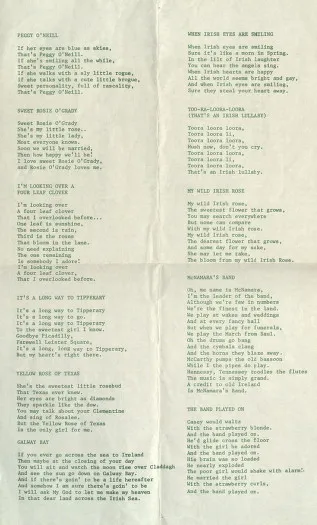
Photo: The University of Houston Digital Library, Public domain, via Wikimedia Commons
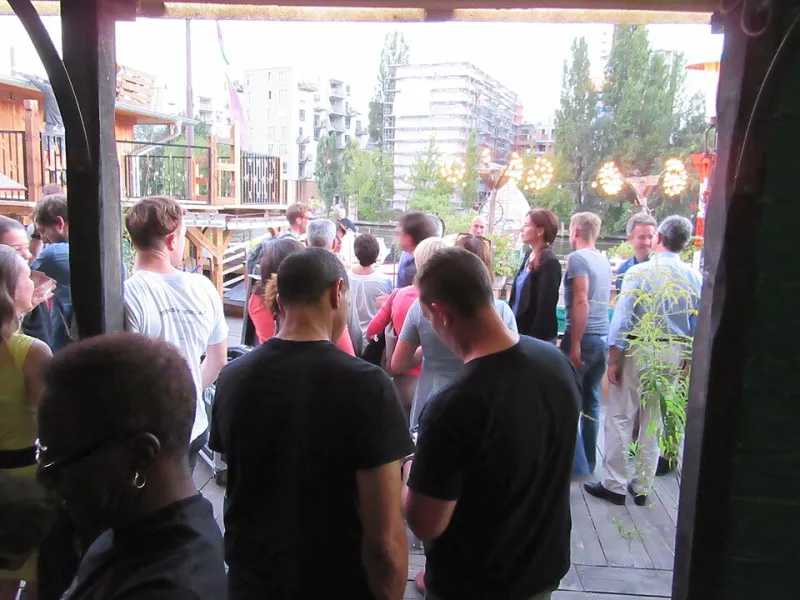
On the last Sunday of Margate Festival 2026, the official programme says one thing and the seafront says another. A headline set is winding down near the harbour, the crowd is starting to think about chips and trains, and then somebody on the steps starts singing. Not a busker with a permit. Not a programmed act with a rider. Just a person, a tune and a few dozen people who somehow know the chorus.
By the time the second verse arrives, there is harmony. By the third, there is a small choir where no choir was booked. Nobody auditioned. Nobody printed a setlist. And yet the festival ends, as it often does, in four parts.
The stage that isn't a stage
These singalongs are not a quirk of one afternoon. Across the weekend, they pop up in the gaps between official events: a back room in a pub, the shallow steps near the harbour, a patch of promenade that happens to have good acoustics and a nearby bench. A drop-in community choir might advertise a 3pm warm-up and end up leading a sea-shanty session at 5.30 because the mood took them. A group of regulars from a Kent choir might start with a folk standard and finish with a pop song everyone half-remembers from 2011.
The point is not polish. The point is participation. As one drop-in choir leader put it after a particularly ragged run-through of a well-known shanty, 'We do not teach parts here. We offer parts. If you want the tune, take the tune. If you want the low bit that sounds like a tractor, take that instead.'
That attitude is why first-timers keep drifting in. You do not need to read music. You do not need to know anyone. You do not even need to be good, although the mass of voices usually hides the shaky bits.
Why the seaside suits a ragged chorus
Group singing thrives in Margate for the same reasons fish and chips do: it is informal, it is outdoors, and it works better with a bit of sea air. The seafront is a forgiving acoustic. Sound drifts, voices blur, and the wind takes the edges off any wobble. A pub back room adds a low ceiling and a bit of warmth. A bandstand gives you a natural gathering point without the formality of a ticketed venue.
There is also something about the festival's geography. Margate Festival spreads people out. You walk between things. You wait. You queue. You sit on a wall. Those little pauses are exactly where a singalong can start, because there is no pressure to be somewhere else for twenty minutes.
Regular singers talk about the same thing: the sea makes it easier to be a beginner. One woman who has been coming to the festival for years said she joined her first drop-in choir because she was cold and waiting for a friend. She stayed because nobody asked her to prove anything. 'I sang the wrong words for an entire song,' she said. 'A man next to me sang different wrong words. We nodded at each other like colleagues.'
No audition, no setlist, no wrong answer
The mechanics are simple. A leader starts. People join. The song changes when someone suggests another one or when the leader spots that the crowd knows a different chorus better. There is no formal warm-up, although the sensible ones arrive early and hum gently before launching into the high bits. There is no sheet music, unless someone has brought a battered photocopy that is passed around like a secret.
The repertoire is gloriously mixed: sea shanties, folk songs, soul classics, indie singalongs, hymns for people who are not remotely religious but know the alto line from school. The only real rule is kindness. Do not drown out the person next to you. Do not film without asking. If you are in a pub, buy something. If you are on the steps, leave room for people to pass.
And if you do not know the words? Hum. Nobody minds. The unplanned choir is not a performance; it is a room, or a patch of pavement, where the door is open.
How to join in without making it weird
First, listen. Stand at the edge for a minute and work out where the tune is going. Second, find the chorus. Most of these songs have one, and it is usually the bit everyone else is belting out. Third, pick a part that feels comfortable. If the high harmony feels like a stretch, drop down. If the low harmony feels like a growl, move up. There is no exam at the end.
If you are shy, arrive early and stand near someone who looks like they know what they are doing. If you are early and keen, ask the leader if they need a hand with the chorus. If you are late and lost, wait for the next song. There is always a next song.
What you should not do is treat it like a secret gig. These sessions are not content. They are a group of people choosing to make a noise together because it feels good. Ask before you record. Do not push to the front with a phone. And if you only know one line, sing that line with conviction.
What the unplanned choir actually proves
Margate Festival sells itself on lineups, arts and seaside atmosphere, and all of that is real. But the drop-in choirs reveal something less marketable and more important: the festival still has room for things that are not programmed, not ticketed and not polished.
A mass singalong is a small act of trust. Someone starts. Someone else joins. The group decides, collectively and wordlessly, to keep going. It is slightly chaotic, frequently out of tune and entirely in keeping with a festival that has always been better at welcoming people than impressing them.
So when the last note fades and the crowd drifts towards the station, nobody talks about perfection. They talk about the song they almost knew, the stranger who helped them find the alto line, and the fact that the best choir of the weekend was the one nobody auditioned for.