The Tea Towel Outlives the Tote: Notes on Buying Souvenirs at Margate Festival 2026
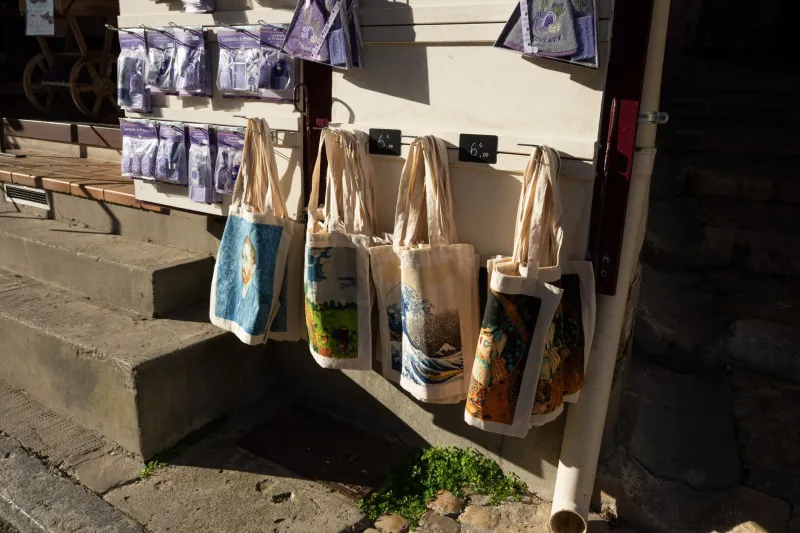
There's a particular moment at Margate Festival, usually somewhere between the second cider and the last support act, when a fiver stops behaving like money and starts behaving like permission. Permission to buy a small thing you did not plan to buy. A tote with a gannet on it. A tea towel printed with the harbour wall. A badge that says something about chips that will seem significantly less funny by Tuesday.
I have done this. Most of us have. And then in February you find the tote at the back of a cupboard, folded into a shape that suggests it has been used precisely once, and you have to have a quiet word with yourself about impulse control.
So this year I set myself a rule. Not a ban — a rule. One souvenir, chosen slowly, from a maker whose name I could repeat back to you a week later. What follows is what I learned about the souvenir economy at Margate Festival 2026, and why the £5 impulse buy is both the engine of the whole thing and its quietest problem.
The £5 Fiver and the Three-Stall Rule
Walk the length of the market stretch and the prices start to cluster. £5 is the magic number. It's the price of a pint and a half, a portion of chips with change, a decision small enough that it doesn't feel like a decision at all. That's the trick of it, and every trader on that stretch knows it.
For makers, £5 is where the volume lives — and where the maths gets tight. A £5 item probably costs £1.50 to £2 to produce once you've counted materials, printing, packaging and the bits that go wrong. Add a weekend pitch fee, and the sums only work if you shift a serious number of them. “You need to sell about forty before you've covered the pitch and the petrol,” one printer told me, folding a fresh batch of totes. “Everything after that is wages.”
Which gives us the Three-Stall Rule. By the time you've walked past three stalls, the £5 has already been spent in your head, twice over, and you're standing at the fourth holding a note you were definitely going to keep for the bus. This is not a scam. It's just how small-money retail works at a festival: the price point is low enough to be frictionless, and frictionless is exactly the point.
What the Tote Bag Actually Carries
Totes are the headline act, obviously. This year's crop leaned heavily on seabirds, lighthouses, and a suspicious number of slogans about the tide. One Cliftonville printer was running a two-colour screen out of a shed, drying the prints on a washing line between showers — a business model that Margate's weather has clearly been consulted on.
The honest truth about totes is that they are the most bought and the least carried. A good one becomes the beach bag, the library bag, the emergency bin-bag substitute. A bad one becomes storage. The difference is usually about three quid and whether the handles are stitched or just folded over and hoped for.
The Tea Towel Test
Here is the sleeper hit of the whole scene: the tea towel. Unfashionable, hard-wearing, and hung on a rail for eleven months of the year where guests can actually see it. Priced anywhere from £8 to £12, it quietly outsells things three times its price because it has a job to do.
I have a personal test now, and I'd recommend it. When you pick one up, ask yourself: does this look good next to a radiator in February? If the answer is yes, it's a keeper. If the answer is “only in a festival context,” put it down. Almost nothing survives the festival context test.
The Charity Shop Ledger
Which brings us to the slightly uncomfortable bit. What happens to everything that doesn't pass?
Ask anyone behind the counter of the charity shops up on Northdown Road and they'll tell you: there's a wave of it in September. Totes, mugs, unopened candles, novelty aprons, the occasional lanyard still attached to a programme. “It's never malicious,” one volunteer said. “It's just people having a lovely time and then going home to a small flat.”
I don't think this is a moral failing. Festival merch is designed to be bought in a mood — and a mood has a shelf life. The interesting question isn't why we buy it. It's why we keep so little of it.
How a Weekend Pitch Becomes a Year
The best thing about the Margate stall scene is that a lot of it isn't really about the weekend at all. The pitch is a shop window. The real business happens afterwards: the mailing list sign-up, the commission, the gallery that spots you, the shop in Whitstable that asks for twelve pieces on sale-or-return.
A ceramicist I spoke to near the Harbour Arm put it plainly. “I sell more in the fortnight after the festival than I do during it. People go home, look at the mug, think about it, then come back online.” That's the model now — the festival starts the relationship, and the postage does the rest. It's also why the makers who do well tend to be the ones who talk to you. A name remembered is worth more than a logo printed.
A Small Buying Manifesto
So here's my entirely unsolicited advice, offered in the spirit of someone who has a cupboard full of regrets.
Buy one thing. Buy it on the second lap, not the first. Ask the maker their name and where they're based, and if they're local, spend the extra pound — you're not just buying a tea towel, you're buying the printer's Tuesday. Think in cost-per-wear rather than cost-per-thing. And if a £5 note is burning a hole in your pocket at four in the afternoon, buy a chip butty instead. It has a far better track record of being used.
The tote bag gets the attention. The tea towel gets the years. At Margate Festival 2026, that feels like a reasonably useful thing to know.