Ramps, Retreats and Reality Checks: A Step-Free Map of Margate's 2026 Festival Season
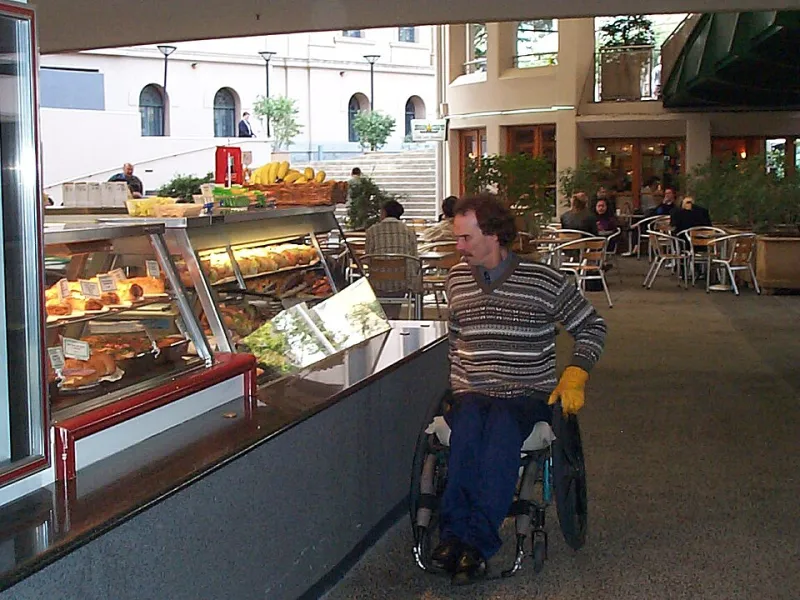
Photo: John Robert McPherson, CC0, via Wikimedia Commons
A festival by the sea sounds like the easiest thing in the world until you arrive with a wheelchair, a walking stick, a dodgy hip or a brain that finds 40,000 people and a sub-bass rig a bit much. Margate's festival sites are wedged between a cliff, a harbour and a railway line, and that geography quietly decides how accessible each one really is. So here is the version we wish someone had handed us years ago: honest, specific, and written with the help of local organisers, access stewards and regulars who have been doing this for a decade.
Start with the hill, because everything starts with the hill
Margate is built on a slope. The station sits up top near Cecil Square; the seafront sits at the bottom. That ten-minute walk down Marine Terrace is genuinely lovely on the way in and a completely different proposition on the way home at 11pm.
The reliable step-free descent is the ramp and gentle slope near Turner Contemporary, which takes you down to the harbour side without a single kerb. The stairs from Marine Terrace down to the promenade are quicker but brutal, and the cobbles on the Harbour Arm are the single most-complained-about surface in town. Wheelchair users, rollator users and anyone with a pushchair will tell you the same thing: go the long way, it is faster in the end.
Dreamland: the best-equipped site, with one gravel-shaped caveat
The Scenic Stage area has a raised accessible viewing platform with a proper sightline, a dedicated access entrance and stewards who are briefed to keep the space clear. There is a Changing Places facility on site, which is the difference between a full day out and a two-hour round trip for a lot of people. Companion tickets for disabled visitors are typically free, though you should always confirm when you book rather than assume.
The caveat is the ground. Some of the paths between stages are loose gravel or worn tarmac, which is fine on a good day and miserable in a wheelchair after rain. If the forecast is grim, ask an access steward for the hard-standing route between the main stage and the indoor rooms. They know it. It is just not on the map.
The smaller rooms: charm versus architecture
Margate's micro-venues are where the town's festival character actually lives, but converted buildings come with converted problems.
- Tom Thumb Theatre in Cliftonville is tiny, wonderful and intimate to the point of being a contact sport. There is a small threshold step and very limited space inside; ring ahead and they will almost always work something out.
- Theatre Royal has a step-free stalls entrance and accessible seating, but the gallery is stairs only. Book stalls, not circle, if steps are an issue.
- Olby's and the King Street venues have level-ish access to the ground floor with a step at the door at some of them. Staff are used to helping, but the pavements outside are narrow and busy.
- The Oval Bandstand and the Dane Park events are grass and slope. Fine in July, a mud bath by September, and the temporary trackway only goes so far.
- Faith in Strangers and the Eastern Esplanade sites are the ones to check directly with the venue, as access arrangements have shifted with each season's fit-out.
Quiet spaces, and why they are not a luxury
This is the part that has improved most since 2023, and the part worth planning around. A quiet space is not a gimmick for people who do not like fun. It is what lets a neurodivergent teenager, a breastfeeding parent, a diabetic pensioner or an anxious first-timer stay for the headline set instead of going home at 6pm.
The most dependable calm-down spots in 2026:
- Turner Contemporary's ground-floor foyer – free, level, cool, with seating and decent toilets, right in the middle of the seafront action.
- Margate Library on Cecil Square – silent, warm, open late on some festival weekends, and nobody minds if you sit for an hour.
- The Sun Deck and the lower promenade away from the main stages – outdoor, but the sea does a lot of the soothing for free.
- Venue-designated chill-out rooms – Dreamland and several of the smaller festivals now set aside a dimmed room with ear defenders and water. Ask at the access desk rather than hunting for it.
Toilets, water and the boring essentials
Accessible toilets exist at Dreamland, Turner Contemporary, the Harbour Arm and the main public conveniences along the promenade, but the RADAR-key situation is inconsistent. Bring your own key. Bring a refillable bottle too: the seafront fountains have improved, but queues at bars can be twenty minutes deep by early evening. First aid points will store medication in a fridge if you ask nicely, and stewards at the main gates can usually radio for a wheelchair loan or a golf buggy escort.
Getting between the sites
The Thanet Loop buses are low-floor with a wheelchair bay and run late during festival weekends. Local taxi firms do have wheelchair-accessible vehicles, but you need to book them hours ahead, not minutes. Blue badge parking along the seafront fills up before 9am on event days; the station car park and the Arlington House multi-storey are the fallbacks, and both are a hill away from the action.
What still needs fixing
It would be wrong to pretend everything is sorted. Signage is patchy. Cobbles remain cobbles. Access information is scattered across venue websites, social posts and PDFs that are three seasons out of date. Not every small promoter has trained stewards, and not every quiet space is genuinely quiet when the bass from the main stage is bleeding through the wall.
What works, again and again, is asking. Message the promoter before you buy. Ring the venue. Tell the access desk what you need at the gate, not at 9pm. Margate's festival scene is small enough that a polite email genuinely reaches a human, and that is a rare and precious thing.
A workable day
Arrive at the station, take the Turner Contemporary ramp down, stop for coffee and a loo break before the crowds, catch the afternoon sets from the Dreamland platform, retreat to the library or the foyer at the point you can feel your patience fraying, then eat early and bag a spot before the headline. Slow, deliberate, and far better than trying to sprint a festival like it is a to-do list. The sea will still be there. It always is.