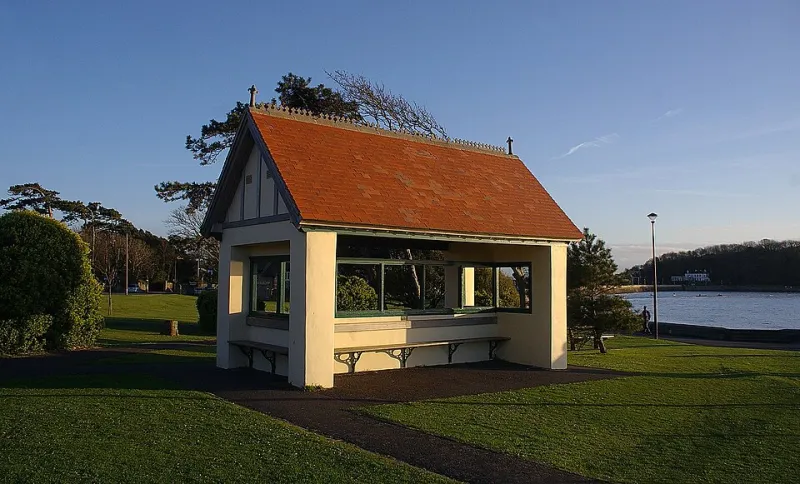
The Pause Button by the Sea: A Quiet Guide to Margate Festival 2026
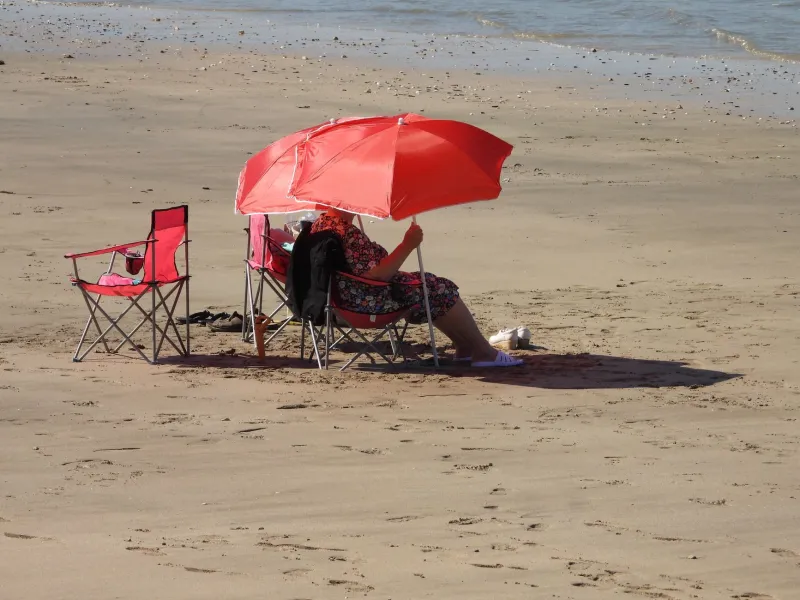
There's a particular kind of tiredness that comes from a seaside festival. It isn't the good ache of dancing until the tide turns. It's the fog that arrives when three stages, a fairground organ, a seagull with a grudge and someone's portable speaker all compete for the same square metre of your brain.
Margate Festival 2026 is loud. It's meant to be. But loud and welcoming aren't opposites, and this year's programme has quietly built in more places to stop than it has in previous years. The trick is knowing where they are before you need them.
The quiet hours are earlier than you think
The single most useful thing anyone told me was this: the festival has a rhythm, and the calm parts of it are predictable.
Between 10am and noon, the site is still waking up. Baristas are steaming milk, roadies are taping cables, and the main stages are either silent or running soundchecks that stop and start. If you want to see a band without a wall of bodies in front of you, this is your window. Two of the smaller stages — the bandstand and the converted arcade — run morning sets specifically for people who'd rather not be in a crush.
Sunday late afternoon is the other one. It's the point where the weekend crowd thins out and the day-trippers head for the station, so the difference between 4pm and 6pm is remarkable. One regular I spoke to, a Margate local called Priya who describes herself as autistic and sound-sensitive, plans her whole weekend around it. 'I do the loud stuff on Saturday when I've got the energy, then Sunday evening is mine,' she said. 'The festival feels like it's exhaling.'
There's also the dead hour — usually somewhere between the afternoon headliner and the evening changeover — when the bass drops out and the site goes strange and quiet. It isn't advertised. Ask a steward and they'll usually know roughly when it's coming.
Where to go when the bass gets into your bones
You don't have to leave the festival to leave the noise. There are several pockets of the site that stay genuinely calm even at peak hours.
The walled garden behind the old museum is the obvious one, and for good reason: high walls, grass, benches, no PA within earshot. It's been designated a 'low-sensory zone' this year, which in practice means no amplified music, no flyering and a bit of gentle shushing if a hen party rolls through.
The library on the high street is open late during the festival and has become an unofficial refuge. Staff there told me they've had people come in just to sit in the reference section for twenty minutes with their eyes shut. They don't mind. They've put out water.
The far end of the harbour arm is windier and colder than the rest of the site, which is precisely why it stays empty. If you need cold air and a horizon, it's the best seat in Margate. And the church hall a few streets back runs a drop-in tea-and-biscuit session every afternoon — no faith required, no questions asked.
Borrow, don't buy: ear defenders and other kit
One of the quieter improvements this year is a lending scheme. Ear defenders — adult and child sizes — can be borrowed free from the welfare tent near the main gate, the info point by the bandstand, and the box office at the Winter Gardens. You leave a card or a phone as a deposit, and you get it back when you return them.
It sounds small. It isn't. A pair of ear defenders is the difference between staying for the headline set and going home at 7pm.
The welfare tent also has sunglasses for anyone bothered by the strobes, a quiet room with cushions, and a printed map showing the calm routes — the ones that avoid the funnel points where crowds bottleneck between stages. Ask for the 'blue route'. It's longer, but it's flatter and quieter, and it doesn't go past the fairground.
What the regulars do
Most of the tips I collected were unglamorous and practical.
'Headphones on, hood up, walk like you know where you're going,' said one festival-goer called Marcus, who's been coming for four years. 'Nobody stops you. The stewards are lovely if you say you're just getting some air.'
Priya's advice was to arrive early and leave early. 'The first hour is the best hour. I get the set I want, I'm out before the crush, and I'm home with a cup of tea by nine. Nobody says you have to do the whole day.'
A venue manager at one of the smaller stages put it more bluntly. 'We'd rather you sat at the back with your eyes shut and enjoyed the sound than stood at the front and had a miserable time. There's no prize for suffering.'
A word from the people running the quiet bits
I asked a few staff what they wish more people knew. The answers were consistent: the quiet zones aren't a lesser version of the festival. They're part of it.
'We've had people apologise for using the calm room,' one welfare volunteer said. 'As if they're taking up space. They're not. That's what it's for.'
The stewards have also been briefed this year on what they call 'the pause button conversation' — if someone looks overwhelmed, they're meant to offer directions to the nearest quiet spot rather than ask if they're alright and move on. Small change, big difference.
The pause button is part of the programme
None of this makes Margate Festival 2026 a silent festival. It shouldn't. The point of a seaside festival is the noise — the bass rolling off the harbour wall, the crowd singing the wrong words, the gulls joining in. But a festival that plans for the pause is a festival that more people can actually finish.
So take the early slot. Borrow the ear defenders. Walk the blue route. Sit in the walled garden for twenty minutes with a bag of chips and no one talking to you. The tide doesn't rush, and neither should you.